News 1 min read Chitipa, Malawi

Lessons from COVID-19: building income that lasts

The pandemic showed how fragile incomes are. Our self-sustenance pillar helps churches and families build alternative sources of income.

By TDI Communications
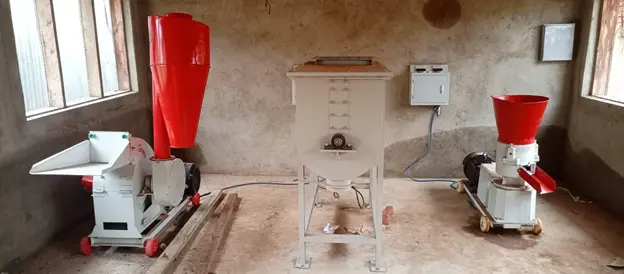
Grain milling and hulling machines installed in a clean concrete room
Milling equipment: an example of a self-sustenance income project. · Photo: TDI

COVID-19 taught a hard lesson: when one source of income stops, families and churches can quickly fall into crisis. In response, TDI made self-sustenance one of its three strategic pillars, alongside mindset change and capacity building, and social services.

Self-sustenance means helping churches and households develop alternative income: grain milling, fish farming, savings groups and small businesses, so that they can stand on their own and keep serving their communities.
More stories

See all
A group of church and community leaders standing together in front of a brick building

Our approach

Why we work through local churches

Churches are present in every village, trusted by their neighbours and committed for the long term. Here is why they are at the heart of everything TDI does.

A brick community-based childcare centre painted yellow and blue, with parents and children outside

Stories of change

A strong start for every child

Community-based childcare centres give young children in Chitipa a safe place to play, learn and grow.